Source commercial alcohol still for whisky and vodka production
Find a commercial alcohol still for whisky and vodka with 30 available listings. Buyers can compare specifications, materials, and prices for distillation equipment suitable for spirits production.
Key considerations
Products List

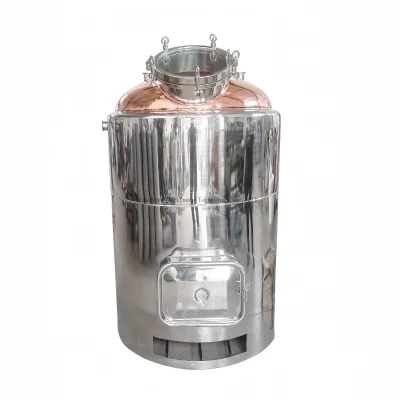


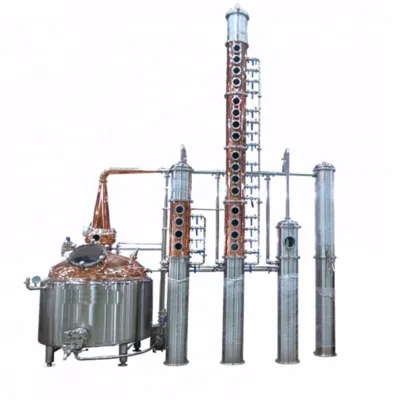
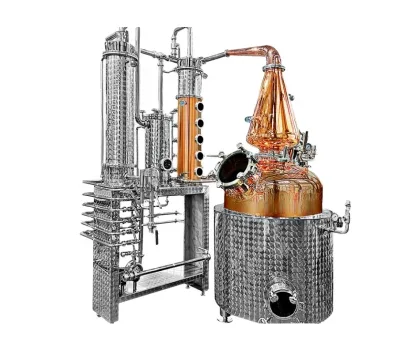


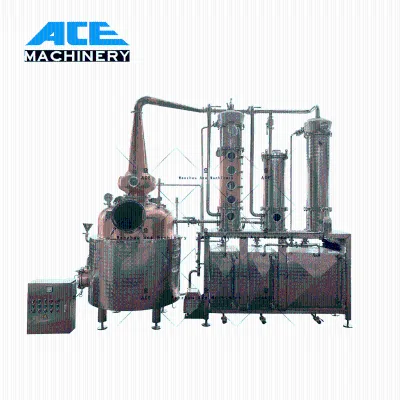


Comprehensive Sourcing Guide
Strategic Sourcing Guide for Commercial Alcohol Still Equipment
Understanding Technical Specifications and Core Components
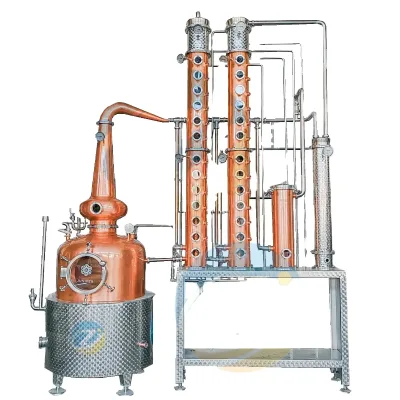
When sourcing commercial alcohol stills specifically designed for whisky, vodka, rum, and gin production, buyers must first dissect the technical architecture of the equipment. The core functionality of these units relies heavily on the distillation still as the primary component, which facilitates the separation of alcohol from fermented wash through thermal processing. The material composition is a critical determinant of product purity and equipment longevity. High-grade stainless steel, specifically SUS304 or SUS316, is frequently observed in these units, often paired with red copper components. This combination is essential because copper acts as a catalyst to remove sulfur compounds, a step particularly vital for whisky and gin production, while stainless steel ensures structural integrity and hygiene for vodka and distilled water applications.
The physical dimensions and capacity of the still must align with the intended production scale. Observed specifications indicate a wide range of capacities, from small-batch units around 100 liters to industrial-scale systems capable of processing 2000 liters. The physical footprint varies significantly; some vertical installations measure approximately 50cm in width, 60cm in depth, and 135cm in height, suitable for compact facilities, while larger standard configurations may reach dimensions of 4000mm by 2000mm by 2500mm. Buyers should verify the specific model number, such as the ysgz-SUB4 or TK series, as these identifiers often correlate with specific capacity tiers and processing capabilities. The operating type is another key technical differentiator; while some units are designed for batch processing, others feature a continuous type operation, which is preferred for high-volume commercial output. The extraction tower type, often identified as a turntable tower, plays a significant role in the efficiency of the separation process.
Compliance, Certification, and Safety Standards
Navigating the regulatory landscape is paramount for commercial distillation equipment. Buyers must ensure that the machinery meets international safety and quality standards before finalizing a purchase. A primary verification point is the presence of valid certifications, with ISO and CE marks being the most commonly cited standards for equipment originating from major manufacturing hubs. These certifications indicate that the design and manufacturing processes adhere to specific safety and performance benchmarks. Furthermore, the machinery test report is a document that should be provided by the supplier, offering empirical data on the equipment's performance under load. This report serves as a critical quality assurance tool, validating that the unit can operate safely at the specified voltage and power levels.
The electrical specifications of the still must be compatible with the local infrastructure of the buyer's facility. Commercial units are often designed to operate on a range of voltages, including 110V, 220V, and 380V, with power consumption varying between 2kW and 50kW depending on the model and capacity. It is essential to confirm the exact voltage requirement for the specific unit being sourced to avoid costly retrofitting or electrical hazards. Additionally, the equipment must be new and in pristine condition, with a warranty period typically offered for one year. This warranty coverage is a standard industry practice that protects the buyer against manufacturing defects and ensures support during the initial operational phase. Buyers should also verify the processing material, ensuring it is suitable for natural ingredients and does not introduce contaminants into the final spirit.
Cost Drivers and Pricing Dynamics
The pricing of commercial alcohol stills is influenced by a complex array of factors, including material quality, capacity, and customization options. The observed market price range for these units spans from approximately 500 to 60,000 USD, reflecting the vast difference between small-scale artisanal stills and large industrial distillation lines. The primary cost driver is the material composition; units incorporating significant amounts of red copper alongside high-grade stainless steel will command a higher price point than those made entirely of stainless steel. Capacity is another significant variable, with larger units capable of processing 10 to 2000 liters per batch naturally costing more due to the increased volume of materials and engineering required.
Customization availability is a major factor in the final cost structure. Many suppliers offer tailored solutions where the equipment can be modified to fit specific production needs, such as unique tower heights or specialized condenser configurations. This level of customization often incurs additional costs but provides a distinct advantage in optimizing the distillation process for specific spirit types. The packaging method also contributes to the overall expense; units shipped in plywood cases with film wrapping or specialized exporting packages require more robust logistics and protective measures, which are factored into the final price. Buyers should be aware that the Minimum Order Quantity (MOQ) for these specialized units is often as low as one single item, allowing for flexible procurement strategies without the need for bulk purchasing commitments.
Typical Applications and Operational Versatility
Commercial alcohol stills are engineered to handle a diverse range of applications, making them versatile assets for various production environments. The primary function of these units is the distillation of spirits such as whiskey, vodka, rum, and gin. The specific design of the still, including the extraction tower type and the use of copper components, is optimized to enhance the flavor profile and purity of these beverages. For instance, the copper contact is crucial for removing unwanted sulfur compounds in whisky and gin, while the stainless steel components ensure a neutral taste profile for vodka. Beyond alcoholic beverages, these units are also utilized for the production of distilled water, demonstrating their adaptability to different liquid processing requirements.
The application scope extends to the processing of viscous products, indicating that the equipment is not limited to simple liquid distillation but can handle more complex mixtures. The installation type, typically vertical, allows for efficient use of floor space, which is a critical consideration for facilities with limited square footage. The processing type, identified as thermal processing, involves the application of heat to separate components based on their boiling points. This process is fundamental to the production of high-quality spirits and requires precise temperature control to ensure consistency. Buyers should evaluate the specific application needs of their facility, considering the volume of production, the types of spirits to be produced, and the desired level of automation, such as continuous versus batch operation.
Supplier Evaluation and Verification Protocols
Selecting the right supplier requires a rigorous evaluation process that goes beyond the initial product listing. Buyers should prioritize suppliers who provide comprehensive documentation, including machinery test reports and detailed specifications. The origin of the equipment is a significant factor; many units are manufactured in Wenzhou City or other regions in China (Mainland), known for their manufacturing capabilities. However, the location of the origin should not be the sole determinant of quality. Instead, buyers should focus on the supplier's ability to provide evidence of quality control, such as the provision of ISO and CE certifications.
The brand name associated with the equipment, such as "yansheng" or "Rainbow," can serve as a reference point, but buyers should not rely solely on brand recognition. Instead, they should verify the supplier's track record through the availability of detailed product attributes, such as the specific model numbers and dimensions. The condition of the equipment, which should be new, and the warranty period of one year are also critical indicators of supplier confidence. Buyers should request references or case studies from previous clients to validate the supplier's claims regarding performance and reliability. Additionally, the customization capabilities of the supplier should be assessed to ensure they can meet the specific needs of the buyer's production line.
Quality Control and Long-Term Procurement Considerations
Ensuring the long-term reliability of commercial alcohol stills requires a proactive approach to quality control and maintenance. The warranty period of one year is a standard offering, but buyers should inquire about the availability of spare parts and technical support beyond this period. The condition of the equipment upon delivery is critical; units should arrive in their specified packaging, such as plywood cases and film wrapping, to prevent damage during transit. The weight of the equipment, ranging from 80 KG to 350 KG, must be considered in terms of installation logistics and structural support requirements.
Long-term procurement considerations also include the scalability of the equipment. As production demands grow, the ability to upgrade or expand the distillation line becomes important. Buyers should evaluate the modularity of the system and the potential for adding additional components or increasing capacity. The operating type, whether continuous or batch, should align with the long-term production strategy of the facility. Furthermore, the energy efficiency of the unit, indicated by its power consumption range of 2-50kW, is a key factor in ongoing operational costs. Buyers should conduct a total cost of ownership analysis, factoring in energy usage, maintenance requirements, and potential downtime, to make an informed decision that supports sustainable business growth.
FAQs
What materials are used in commercial alcohol stills?
Commercial alcohol stills are constructed using SUS304, SUS316 stainless steel, and red copper. This combination ensures structural integrity while the copper acts as a catalyst to remove sulfur compounds for better spirit quality.
Can these stills handle different types of spirits?
Yes, the equipment is designed to distill whiskey, vodka, rum, and gin. The specific tower and material configuration supports the unique flavor profiles required for each of these distinct spirit categories.
What is the minimum order quantity for these units?
The minimum order quantity is one single item. This allows buyers to procure a single unit without needing to commit to bulk purchasing for their initial production setup.
How are these distillation units packaged for shipping?
Units are shipped in plywood cases with film wrapping or specialized exporting packages. This robust packaging protects the equipment during transit and ensures it arrives in new condition.
What certifications do the manufacturers typically hold?
Manufacturers typically provide ISO and CE certifications for their equipment. These marks indicate that the machinery meets international safety and quality standards for commercial production.
What is the warranty period for this equipment?
The standard warranty period is one year. This coverage protects buyers against manufacturing defects and ensures support during the initial operational phase of the distillation process.